
By Mark Pearson | 19 December 2025 | 0 Comments
How do I start my own swimwear brand?
The Complete Guide to Starting Your Own Swimwear Brand
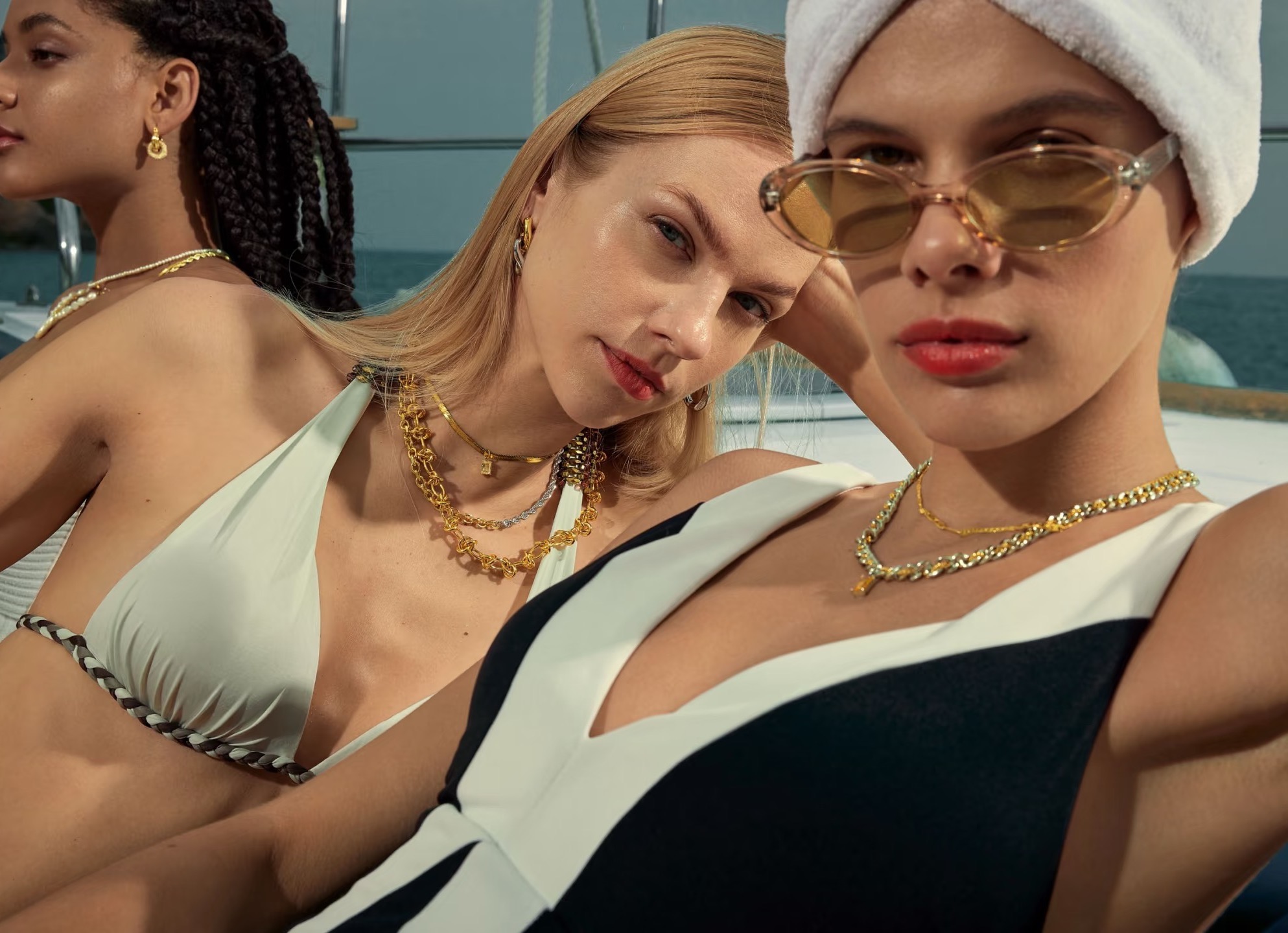

Starting a swimwear brand combines creative vision with practical business strategy. This comprehensive guide walks you through each step with actionable insights.
Phase 1: Foundation & Market Research (Weeks 1-8)
Step 1: Identify Your Niche
The swimwear market is saturated—your success depends on differentiation.
Action Items:
· Research competitors thoroughly (both established brands and emerging labels)
· Identify gaps in the market (size inclusivity, sustainable materials, specific styles)
· Define your unique value proposition
· Conduct surveys with potential customers
Key Questions to Answer:
· Who is your ideal customer? (Create detailed buyer personas)
· What problem are you solving for them?
· How will you stand out from existing brands?
Step 2: Develop Your Brand Identity
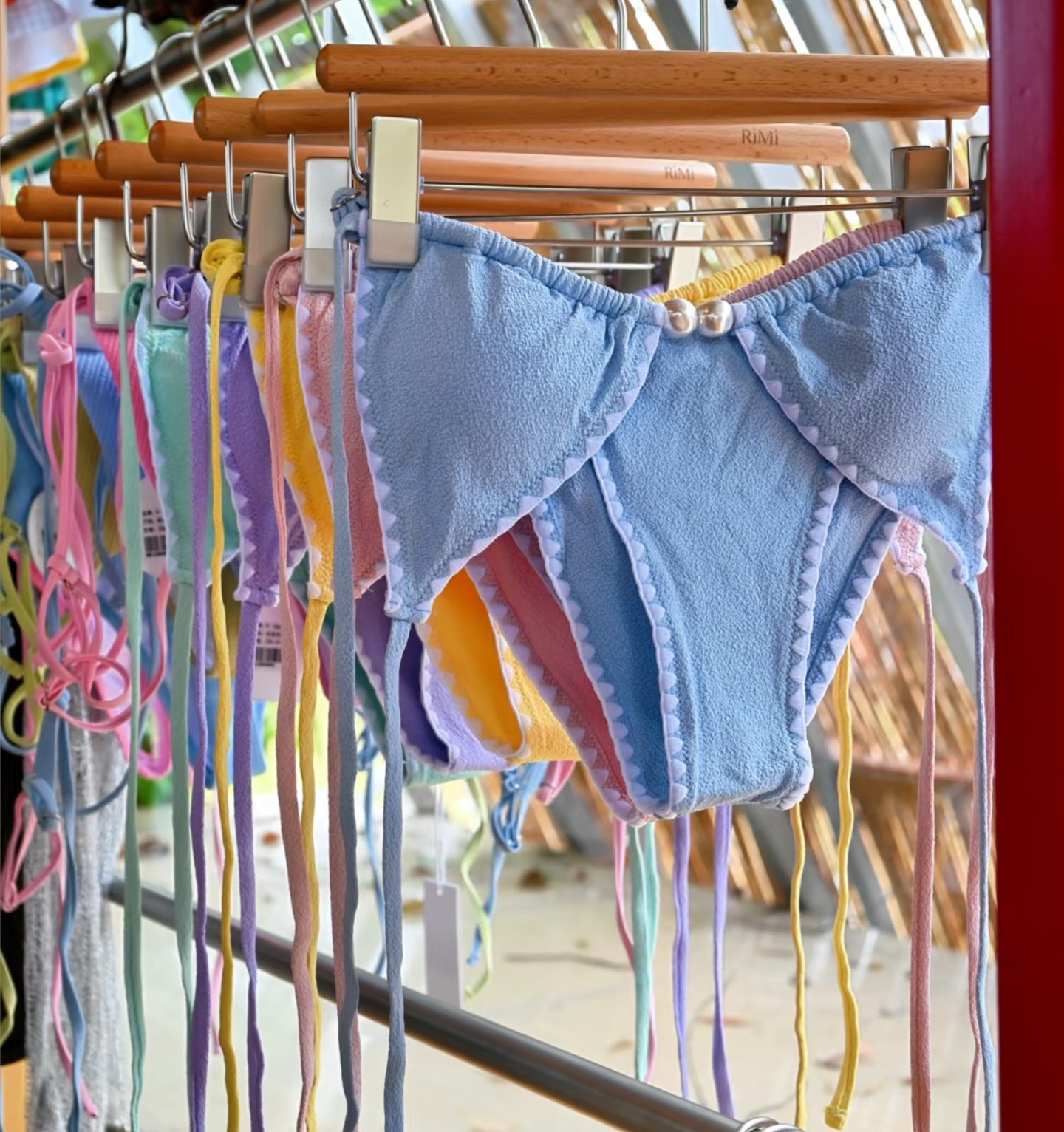
Essential Components:
· Brand name: Ensure it's memorable, available as a domain, and trademark-checked
· Logo & visual identity: Colors, typography, photography style
· Brand voice & personality: How you communicate with customers
· Mission statement & core values
Pro Tip: Create a comprehensive brand style guide before proceeding to design.
Phase 2: Business Planning & Financials (Weeks 9-12)
Step 3: Create Your Business Plan
Essential Sections:
1. Executive Summary
2. Market Analysis
3. Product Line Description
4. Marketing & Sales Strategy
5. Financial Projections
6. Operations Plan
Financial Considerations:
· Startup costs (typically $10,000-$50,000 for initial production)
· Cost per unit calculation (materials + labor + shipping + overhead)
· Pricing strategy (typical markup is 2.2-2.8x wholesale cost)
· Sales channels (DTC, wholesale, or hybrid)
· Funding strategy (bootstrapping, loans, investors)
Step 4: Legal Setup
· Choose business structure (LLC recommended for most)
· Register business name
· Obtain necessary licenses
· Apply for trademark protection
· Set up business banking accounts
Phase 3: Design & Product Development (Weeks 13-20)
Step 5: Technical Design
https://images.unsplash.com/photo-1586363104862-3a5e2ab60d99?ixlib=rb-1.2.1&auto=format&fit=crop&w-800&q=80
Create Technical Packages ("Tech Packs"):
Each design needs a comprehensive tech pack including:
· Flat sketches (front, back, side views)
· Construction details
· Stitch types and placements
· Bill of materials (BOM)
· Size specifications and grading
· Label placement instructions
Tools to Use:
· Adobe Illustrator (industry standard)
· Techpacker or Seamly (online alternatives)
· Free options: Canva, Inkscape
Step 6: Fabric & Trim Sourcing
Critical: Swimwear fabrics must be specifically engineered for water exposure.
Essential Properties:
· Chlorine resistance (for pool wear)
· Sun protection (UPF rating)
· Quick-dry capability
· Four-way stretch
· Shape retention
Where to Source:
· Italian mills: Carvico, Eurojersey, MITI
· Specialized suppliers: Simplifi Fabric, Spandex House
· Sustainable options: Repreve (recycled polyester), ECONYL (regenerated nylon)
Step 7: Prototype & Fit Development
The Process:
1. First sample (proto sample): Made in similar fabric to test pattern
2. Second sample (fit sample): Made in actual fabric with all components
3. Size set samples: All sizes in one style to ensure consistent grading
4. Production sample: Final approval sample
Fit Testing Checklist:
✓ Test on multiple body types
✓ Test in water (fabric behaves differently when wet)
✓ Check for transparency when wet
✓ Assess comfort in various positions (sitting, swimming, walking)
✓ Evaluate strap security and adjustability
Phase 4: Manufacturing & Production (Weeks 21-28)
Step 8: Find the Right Manufacturer
Options:
· Local manufacturing: Higher cost, better quality control, faster turnaround
· Overseas manufacturing: Lower cost, larger minimums, longer lead times
· Hybrid approach: Sampling locally, production overseas
Finding Manufacturers:
· Trade shows: Magic, Curve, Swim Show
· Online platforms: Maker's Row, Alibaba, Kompass
· Industry referrals and networking
Vetting Questions:
· What is your minimum order quantity (MOQ)?
· What is your lead time for production?
· Can I visit your factory?
· Do you have experience with swimwear?
· Can you provide references?
· What are your payment terms?
Step 9: Quality Control & Production
Pre-Production Steps:
1. Pre-production sample approval
2. Fabric testing (send to third-party lab if needed)
3. Care label and packaging design
4. Production timeline agreement
Quality Control Points:
· In-line inspection during production
· Final random inspection before shipping
· Requesting inspection reports (AQL standards)
Phase 5: Brand Launch & Marketing (Weeks 29-36)
Step 10: Build Your Digital Presence
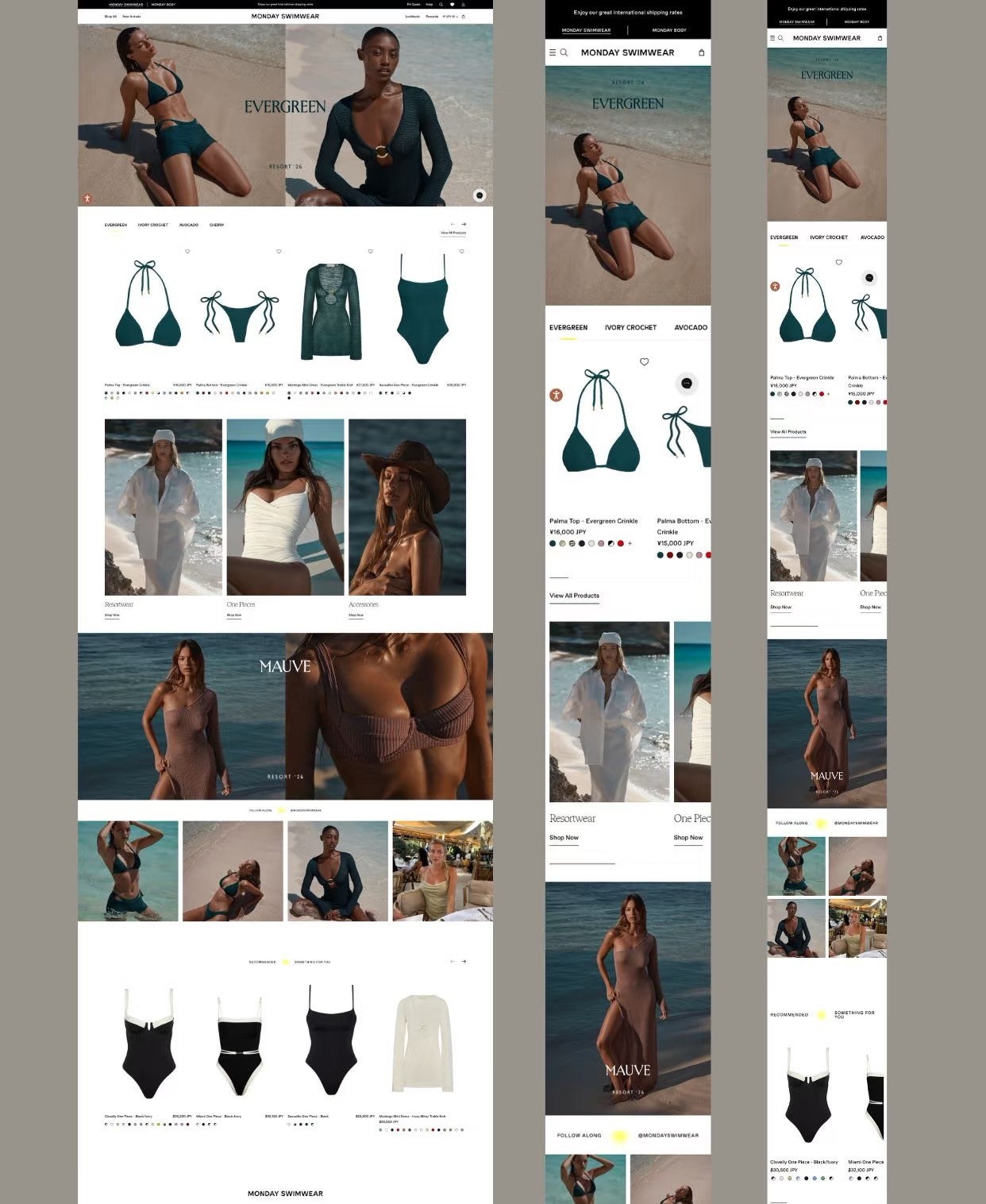
Website Essentials:
· Platform: Shopify (most recommended), Squarespace, WooCommerce
· Must-have pages: Home, Collection, About, Size Guide, Fit Guide, Care Instructions, Contact
· Professional photography: Lifestyle shots, flat lays, detail shots, fit videos
· Size guide with measurements (not just S/M/L)
· Clear shipping and return policies
Social Media Strategy:
· Instagram: Primary platform for visual brands
· Pinterest: High intent for fashion discovery
· TikTok: For behind-the-scenes and trends
· Email list: Start building immediately
Step 11: Pre-Launch Marketing
90 Days Before Launch:
· Tease designs on social media
· Build an email waitlist
· Reach out to micro-influencers
· Create content around your brand story
· Develop a launch calendar
30 Days Before Launch:
· Finalize PR outreach
· Schedule social media content
· Test website and checkout process
· Prepare customer service protocols
Step 12: Launch Strategy
Launch Options:
· Soft launch: Limited release to collect feedback
· Pre-orders: Validate demand before full production
· Full launch: Complete collection available immediately
Launch Day Checklist:
✓ All products loaded and tested
✓ Email sequence ready
✓ Social media posts scheduled
✓ Influencer content going live
✓ Customer service team briefed
✓ Analytics tracking enabled
Phase 6: Operations & Growth (Ongoing)
Step 13: Fulfillment & Customer Service
Options:
· Self-fulfillment: More control, higher time investment
· Third-party logistics (3PL): Scalable, professional, cost-effective at volume
· Dropshipping: Minimal inventory risk, less control over experience
Customer Service Essentials:
· Clear size guidance to reduce returns
· Transparent return/exchange policy
· Prompt response times
· Personal touches (handwritten notes, branded packaging)
Step 14: Analyze & Iterate
Key Metrics to Track:
· Conversion rate
· Average order value
· Customer acquisition cost
· Return rate and reasons
· Best-selling styles and sizes
· Customer feedback and reviews
Continuous Improvement:
· Collect customer feedback systematically
· Analyze return reasons for fit issues
· Stay updated on fabric innovations
· Monitor competitor movements
· Plan next collection based on data
Common Challenges & Solutions
Challenge Solution
High return rates Invest in better size guides, fit videos, virtual try-on tech
Cash flow issues Start with pre-orders, produce in small batches, use just-in-time inventory
Manufacturing errors Clear tech packs, regular factory communication, third-party inspections
Standing out in saturated market Niche focus, authentic storytelling, community building
Budget Breakdown Example
Expense Category Estimated Cost
Business registration & legal $500-$2,000
Initial design & tech packs $1,000-$5,000
Sampling & prototyping $2,000-$8,000
Initial fabric purchase $3,000-$10,000
First production run $5,000-$20,000
Website development $500-$3,000
Brand photography $1,000-$5,000
Marketing & launch $1,000-$10,000
Total $14,000-$63,000
Success Tips from Industry Experts
1. "Fit is everything." – Test on real bodies, not just mannequins
2. "Start small, think big." – Launch with 3-5 hero styles, not 20
3. "Your brand is your story." – People buy why you make it, not just what you make
4. "Sustainability sells." – Even if not 100% sustainable, be transparent about efforts
5. "Community over followers." – Build genuine relationships, not just audience size
Next Steps
1. Validate your idea with 50 potential customers
2. Create your first tech pack for your signature design
3. Order fabric swatches from at least 5 suppliers
4. Start building your email list today, even without a product
5. Connect with other designers in the industry for support
Starting a swimwear brand combines creative vision with practical business strategy. This comprehensive guide walks you through each step with actionable insights.
Phase 1: Foundation & Market Research (Weeks 1-8)
Step 1: Identify Your Niche
The swimwear market is saturated—your success depends on differentiation.
Action Items:
· Research competitors thoroughly (both established brands and emerging labels)
· Identify gaps in the market (size inclusivity, sustainable materials, specific styles)
· Define your unique value proposition
· Conduct surveys with potential customers
Key Questions to Answer:
· Who is your ideal customer? (Create detailed buyer personas)
· What problem are you solving for them?
· How will you stand out from existing brands?
Step 2: Develop Your Brand Identity
Essential Components:
· Brand name: Ensure it's memorable, available as a domain, and trademark-checked
· Logo & visual identity: Colors, typography, photography style
· Brand voice & personality: How you communicate with customers
· Mission statement & core values
Pro Tip: Create a comprehensive brand style guide before proceeding to design.
Phase 2: Business Planning & Financials (Weeks 9-12)
Step 3: Create Your Business Plan
Essential Sections:
1. Executive Summary
2. Market Analysis
3. Product Line Description
4. Marketing & Sales Strategy
5. Financial Projections
6. Operations Plan
Financial Considerations:
· Startup costs (typically $10,000-$50,000 for initial production)
· Cost per unit calculation (materials + labor + shipping + overhead)
· Pricing strategy (typical markup is 2.2-2.8x wholesale cost)
· Sales channels (DTC, wholesale, or hybrid)
· Funding strategy (bootstrapping, loans, investors)
Step 4: Legal Setup
· Choose business structure (LLC recommended for most)
· Register business name
· Obtain necessary licenses
· Apply for trademark protection
· Set up business banking accounts
Phase 3: Design & Product Development (Weeks 13-20)
Step 5: Technical Design
https://images.unsplash.com/photo-1586363104862-3a5e2ab60d99?ixlib=rb-1.2.1&auto=format&fit=crop&w-800&q=80
Create Technical Packages ("Tech Packs"):
Each design needs a comprehensive tech pack including:
· Flat sketches (front, back, side views)
· Construction details
· Stitch types and placements
· Bill of materials (BOM)
· Size specifications and grading
· Label placement instructions
Tools to Use:
· Adobe Illustrator (industry standard)
· Techpacker or Seamly (online alternatives)
· Free options: Canva, Inkscape
Step 6: Fabric & Trim Sourcing
Critical: Swimwear fabrics must be specifically engineered for water exposure.
Essential Properties:
· Chlorine resistance (for pool wear)
· Sun protection (UPF rating)
· Quick-dry capability
· Four-way stretch
· Shape retention
Where to Source:
· Italian mills: Carvico, Eurojersey, MITI
· Specialized suppliers: Simplifi Fabric, Spandex House
· Sustainable options: Repreve (recycled polyester), ECONYL (regenerated nylon)
Step 7: Prototype & Fit Development
The Process:
1. First sample (proto sample): Made in similar fabric to test pattern
2. Second sample (fit sample): Made in actual fabric with all components
3. Size set samples: All sizes in one style to ensure consistent grading
4. Production sample: Final approval sample
Fit Testing Checklist:
✓ Test on multiple body types
✓ Test in water (fabric behaves differently when wet)
✓ Check for transparency when wet
✓ Assess comfort in various positions (sitting, swimming, walking)
✓ Evaluate strap security and adjustability
Phase 4: Manufacturing & Production (Weeks 21-28)
Step 8: Find the Right Manufacturer
Options:
· Local manufacturing: Higher cost, better quality control, faster turnaround
· Overseas manufacturing: Lower cost, larger minimums, longer lead times
· Hybrid approach: Sampling locally, production overseas
Finding Manufacturers:
· Trade shows: Magic, Curve, Swim Show
· Online platforms: Maker's Row, Alibaba, Kompass
· Industry referrals and networking
Vetting Questions:
· What is your minimum order quantity (MOQ)?
· What is your lead time for production?
· Can I visit your factory?
· Do you have experience with swimwear?
· Can you provide references?
· What are your payment terms?
Step 9: Quality Control & Production
Pre-Production Steps:
1. Pre-production sample approval
2. Fabric testing (send to third-party lab if needed)
3. Care label and packaging design
4. Production timeline agreement
Quality Control Points:
· In-line inspection during production
· Final random inspection before shipping
· Requesting inspection reports (AQL standards)
Phase 5: Brand Launch & Marketing (Weeks 29-36)
Step 10: Build Your Digital Presence
Website Essentials:
· Platform: Shopify (most recommended), Squarespace, WooCommerce
· Must-have pages: Home, Collection, About, Size Guide, Fit Guide, Care Instructions, Contact
· Professional photography: Lifestyle shots, flat lays, detail shots, fit videos
· Size guide with measurements (not just S/M/L)
· Clear shipping and return policies
Social Media Strategy:
· Instagram: Primary platform for visual brands
· Pinterest: High intent for fashion discovery
· TikTok: For behind-the-scenes and trends
· Email list: Start building immediately
Step 11: Pre-Launch Marketing
90 Days Before Launch:
· Tease designs on social media
· Build an email waitlist
· Reach out to micro-influencers
· Create content around your brand story
· Develop a launch calendar
30 Days Before Launch:
· Finalize PR outreach
· Schedule social media content
· Test website and checkout process
· Prepare customer service protocols
Step 12: Launch Strategy
Launch Options:
· Soft launch: Limited release to collect feedback
· Pre-orders: Validate demand before full production
· Full launch: Complete collection available immediately
Launch Day Checklist:
✓ All products loaded and tested
✓ Email sequence ready
✓ Social media posts scheduled
✓ Influencer content going live
✓ Customer service team briefed
✓ Analytics tracking enabled
Phase 6: Operations & Growth (Ongoing)
Step 13: Fulfillment & Customer Service
Options:
· Self-fulfillment: More control, higher time investment
· Third-party logistics (3PL): Scalable, professional, cost-effective at volume
· Dropshipping: Minimal inventory risk, less control over experience
Customer Service Essentials:
· Clear size guidance to reduce returns
· Transparent return/exchange policy
· Prompt response times
· Personal touches (handwritten notes, branded packaging)
Step 14: Analyze & Iterate
Key Metrics to Track:
· Conversion rate
· Average order value
· Customer acquisition cost
· Return rate and reasons
· Best-selling styles and sizes
· Customer feedback and reviews
Continuous Improvement:
· Collect customer feedback systematically
· Analyze return reasons for fit issues
· Stay updated on fabric innovations
· Monitor competitor movements
· Plan next collection based on data
Common Challenges & Solutions
Challenge Solution
High return rates Invest in better size guides, fit videos, virtual try-on tech
Cash flow issues Start with pre-orders, produce in small batches, use just-in-time inventory
Manufacturing errors Clear tech packs, regular factory communication, third-party inspections
Standing out in saturated market Niche focus, authentic storytelling, community building
Budget Breakdown Example
Expense Category Estimated Cost
Business registration & legal $500-$2,000
Initial design & tech packs $1,000-$5,000
Sampling & prototyping $2,000-$8,000
Initial fabric purchase $3,000-$10,000
First production run $5,000-$20,000
Website development $500-$3,000
Brand photography $1,000-$5,000
Marketing & launch $1,000-$10,000
Total $14,000-$63,000
Success Tips from Industry Experts
1. "Fit is everything." – Test on real bodies, not just mannequins
2. "Start small, think big." – Launch with 3-5 hero styles, not 20
3. "Your brand is your story." – People buy why you make it, not just what you make
4. "Sustainability sells." – Even if not 100% sustainable, be transparent about efforts
5. "Community over followers." – Build genuine relationships, not just audience size
Next Steps
1. Validate your idea with 50 potential customers
2. Create your first tech pack for your signature design
3. Order fabric swatches from at least 5 suppliers
4. Start building your email list today, even without a product
5. Connect with other designers in the industry for support
Leave a Reply
Your email address will not be published.Required fields are marked. *